





Dental Health Blog | Caledon Dental Centre
What Should You Do If a Crown or Filling Breaks?
October 18, 2026 / Emergency Dentistry
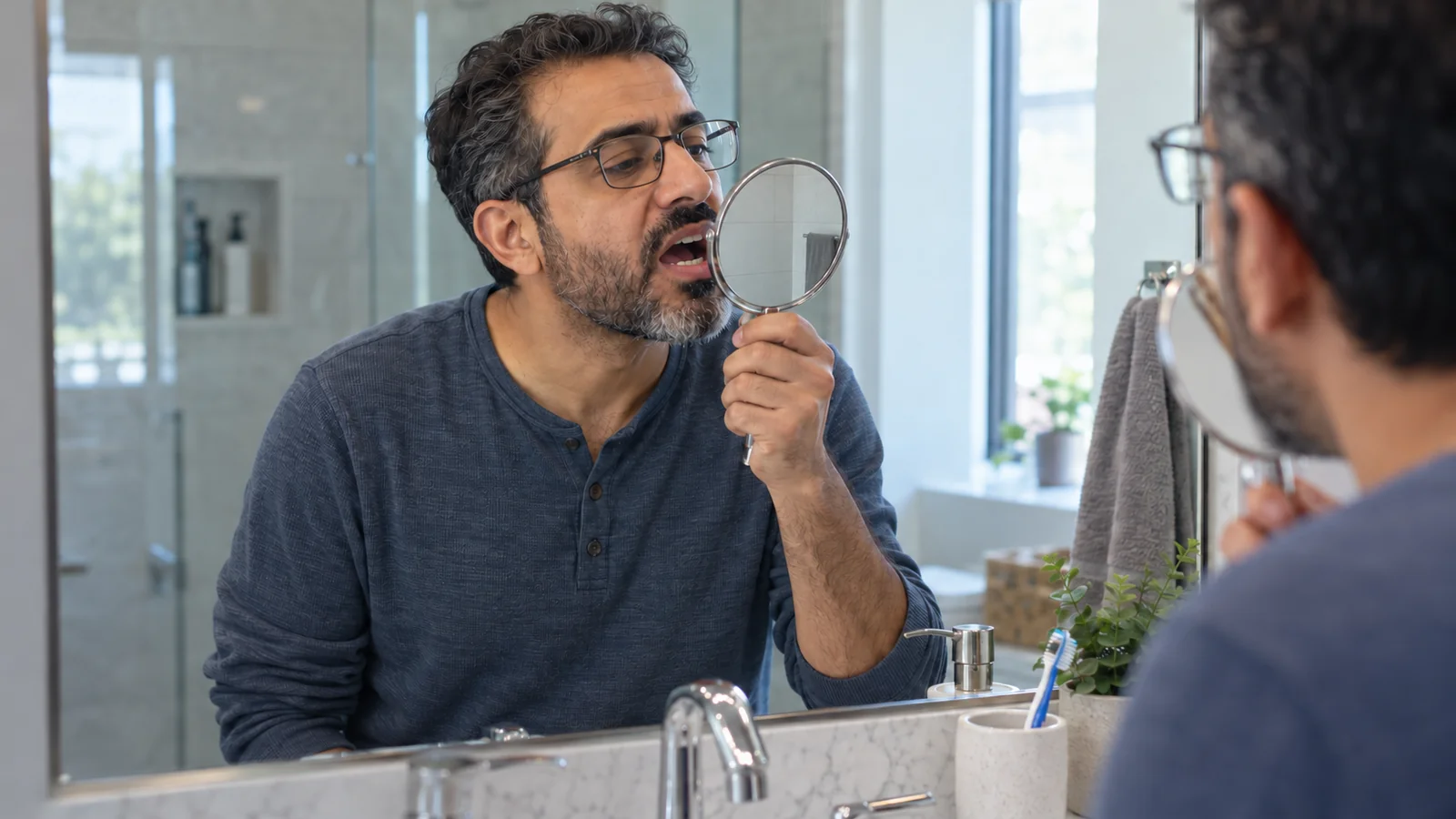
Stop chewing on the affected area and contact a dental office when a crown or filling breaks or becomes loose. Describe the damage and any pain, swelling or other symptoms. Keep a detached crown if you can safely retrieve it, and do not use household glue to put it back.
The urgency depends on more than whether the tooth hurts. A quiet tooth can still need assessment after losing its protection, while swelling or a serious injury may require much faster attention.
If you need an emergency dentist in Caledon, call Caledon Dental Centre to explain the problem and ask about care. The team needs to hear what has changed before advising you about appointment timing and what to do while you wait.
What May Have Broken: Tooth, Crown or Filling
The first sign might be a hard piece in your food or a new space your tongue keeps finding. A crown can come off as a whole piece, a filling can fracture or fall out, and natural tooth structure can break beside a restoration. More than one of these can happen together.
It is fine to tell the office that you are not sure what broke. Describe the location and what you noticed. “A cap came off the upper right back tooth” or “part of my old filling seems to be missing” gives the team a useful starting point.
Do not try to improve the view with tweezers, a pin or another tool. Avoid pulling at a piece that is still attached. If a loose piece is already free in your mouth, remove it safely rather than continuing to eat with it there. Put a detached crown in a clean container for the visit.
The dentist will distinguish restoration damage from damage to the tooth itself. Caledon Dental Centre's information on repairing a chipped tooth discusses tooth damage more generally. When a crown or filling is involved, the remaining tooth and the restoration both need consideration.
What to Tell the Dental Team When You Call
Call as soon as you can for advice, even if you think the damage looks small. Do not wait to see whether it becomes painful enough to justify asking. The team can help determine the appropriate timing; an online article cannot examine the area.
Have a few details ready:
- When did you first notice the problem?
- Was there an injury, or did it happen during ordinary eating?
- Is the crown or filling loose, partly broken or completely missing?
- Is there pain, sensitivity, bleeding, swelling or fever?
- Can you bite normally, and is a sharp edge cutting your mouth?
- Was the restoration placed recently, and was it temporary?
Mention a change in symptoms after the break. For example, increasing swelling matters even if the initial phone call was about a painless lost crown. Tell the team about medicines you have taken for the problem and any relevant allergies or medical conditions.
Caledon Dental Centre provides general dental care in Caledon and accepts dental emergencies. Its office is at 12570 Kennedy Road, Unit 10. Confirm an appointment before travelling, and ask for instructions if the office cannot see you within the recommended timeframe.
For an urgent problem outside opening hours, check any recorded guidance and seek another urgent dental service when needed. A request form or email should not be your only response to worsening symptoms.
When Symptoms Need Urgent Medical Attention
Difficulty breathing or swallowing is a medical emergency: call 911. Significant swelling in the mouth, face or neck, swelling affecting an eye, serious facial trauma or bleeding that will not stop also needs emergency medical assessment.
The NHS information on dental abscesses explains warning signs that need hospital care. These symptoms do not tell you exactly why the problem is happening, but they are reasons to seek help rather than wait for a routine dental repair.
Localized swelling, increasing pain, fever or feeling unwell should be reported urgently to a dental professional. Explain the combination of symptoms and whether it is getting worse. If you cannot obtain advice or your condition becomes severe, seek urgent medical care.
Do not let a previously booked appointment keep you from calling again when something changes. A plan made for a loose crown without swelling may need to be reconsidered if swelling develops. Equally, a reduction in pain does not prove that the tooth has recovered or no longer needs assessment.
How to Protect the Area While Arranging Care
Treat the tooth gently until you have individual instructions. Avoid biting on it and choose softer foods. Keep hard, crunchy or sticky items away from the damaged area, and resist the urge to test whether the remaining restoration can withstand pressure.
Continue gentle cleaning without digging into the exposed space. A warm-water rinse may help clear loose food, but do not use sharp objects to remove something that seems stuck. Tell the office if an edge is injuring your cheek or tongue so it can advise you.
The Ontario Dental Association's emergency advice emphasizes prompt contact for broken teeth and bringing recovered fragments for assessment. If you think you have a natural tooth fragment rather than a crown, ask how to store it. Do not scrub, file or alter the piece yourself.
Avoid household adhesives, nail glue or any attempt to permanently cement a crown at home. Ask before using a pharmacy temporary repair product; it may not be appropriate for the problem you have. Do not leave an unsecured crown in your mouth or force it over the tooth.
For discomfort, ask a dentist or pharmacist which medicine is appropriate for you, and follow the directions. Do not put a tablet directly on the tooth or gum, and do not take leftover antibiotics. These steps do not substitute for examining and treating the damaged area.
What the Dentist Checks Before Recommending a Repair
The appointment should establish what broke, why the restoration may have failed and what condition the remaining tooth is in. The dentist may need imaging or other tests in addition to looking at the visible damage.
You can read more about what to expect during an emergency dental visit, but the treatment decision depends on your findings. The first visit may provide temporary protection or relief, with further care arranged afterward. Ask explicitly whether the treatment is complete or whether another stage is needed.
A detached crown may sometimes be reused if it and the supporting tooth are suitable. In other circumstances, the dentist may recommend a replacement crown, a different restoration or additional treatment. A lost filling may also involve more than replacing the material that fell out.
Ask the dentist to explain any finding that changes the plan. For instance, the amount of sound tooth remaining may affect the recommendation. If a crack or another problem is suspected, ask what is known and whether further investigation is required before making a final decision.
Avoid assuming that extraction or root canal treatment is inevitable. Those recommendations require a clinical reason, just as a simple repair does. The assessment should explain the choices that are realistic for the tooth.
Questions to Ask About Repair or Replacement
An unexpected break can make it difficult to take in information. Ask for the immediate instructions first, then the longer-term plan. It is reasonable to request a written explanation or estimate so you can review the details.
- Can you show me whether the restoration, the tooth or both have broken?
- Why do you recommend repair or replacement in this case?
- Are there other suitable options?
- What will today's treatment accomplish?
- What can I eat, and how should I clean the area afterward?
- When is the next appointment needed?
- Which symptoms mean I should call before then?
- Does the estimate include the final restoration and follow-up?
If this is a repeated break, ask whether the cause has been identified and whether the new plan addresses it. Bring up any history of clenching, grinding or a bite that felt different after earlier treatment.
Before you leave, confirm that you understand the temporary-care instructions and the follow-up date. Keeping the next stage organized matters even if the tooth becomes comfortable after the initial visit.
Frequently Asked Questions
Yes. A missing piece can require attention without causing pain. The dental team needs to assess the remaining tooth and advise on timing. Contact the office instead of using pain as the test for whether an appointment is necessary.
Keep it and bring it to the dentist in a clean container. Do not alter it or assume it can simply be glued back. Its condition and fit, along with the tooth underneath, determine whether reuse is appropriate.
No household glue should be used in your mouth. Contact the office for advice and an assessment. A crown that seems to fit can still conceal a problem underneath, and forcing or securing it yourself does not address that problem.
Not always. Some crowns can be reused, while others or their supporting teeth need different treatment. The dentist can explain the recommendation after examining both. Bring the detached crown even if you are unsure whether it is damaged.
Do not assume so. Tell the office what happened and when your checkup is booked. The team may recommend an earlier visit based on the damage and symptoms. Call again if anything worsens while you are waiting.
Discuss Your Questions With Caledon Dental Centre
For a broken or loose crown or filling, contact Caledon Dental Centre and describe the problem. Keep the affected area protected, save any detached restoration and follow the team's instructions about care. An assessment can establish what the tooth needs before a small-looking break becomes a larger uncertainty.
